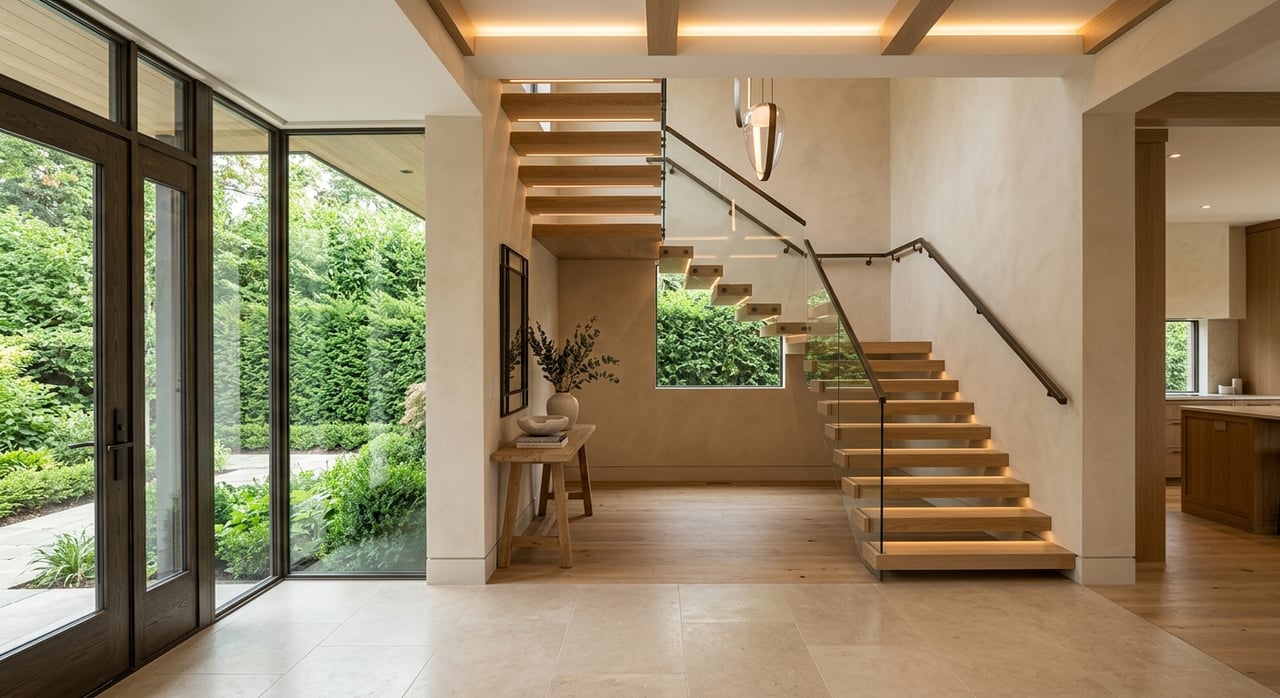
Selling in Bedford Park is not just about putting a home on the market. It is about making sure your home stands up to close comparison in one of Toronto’s more premium detached and semi-detached markets. If you want a standout sale, the goal is to present a home that feels well maintained, thoughtfully updated, and easy for buyers to understand. Here is how to prepare with clarity and the right sequence before your listing goes live.
Why prep matters in Bedford Park
Bedford Park-Nortown is a high-value market where buyers tend to look carefully at condition, layout, and overall presentation. TRREB’s Q4 2025 community report recorded 32 total sales in the area, including 23 detached and 9 semi-detached homes, with an average price of $2.26 million and a median price of $2.19 million.
That kind of pricing raises expectations. It also means your home will likely be measured against a smaller set of nearby comparables, where even modest differences in finish, upkeep, and visual clarity can affect how buyers respond.
There is another local factor worth paying attention to. A City of Toronto planning background paper noted that 97% of the 358 permits in the Bedford Park study area were for residential replacement and renovation, which suggests buyers in the area are already used to seeing homes that have been improved with intention.
Start with pricing reality
Across the GTA, the market has remained active but selective. TRREB reported 5,946 sales in April 2026, up 7% year over year, while the average selling price fell 4.9% to $1,051,969 and the MLS HPI composite declined 6.6% year over year.
For you as a seller, that means preparation should support pricing discipline, not replace it. Strong presentation can improve how your home is perceived, but buyers still want a list price that feels credible when compared with recent Bedford Park sales.
Focus on the updates buyers notice first
In Bedford Park, the highest-return prep is usually not a long list of luxury add-ons. It is a well-edited combination of functional repairs, exterior care, and staging that helps buyers quickly understand the home.
A practical approach is to prioritize what improves confidence and readability. Buyers tend to respond better to homes that feel clean, bright, maintained, and clearly laid out than to homes filled with overly personal decor or expensive but distracting finishing choices.
Prioritize curb appeal
Your exterior sets the tone before a buyer steps inside. NAR research found that 92% of REALTORS® recommend curb appeal improvements before listing, with general landscaping maintenance, lawn care, and tree trimming among the most common recommendations.
For a Bedford Park home, that usually means paying close attention to the front approach. Focus on the details that signal care and order from the street.
Consider this curb appeal checklist:
- Trim hedges and trees
- Mow and edge the lawn
- Weed garden beds and refresh mulch if needed
- Clean walkways, steps, and driveway surfaces
- Make sure exterior lighting works
- Touch up visible trim, railings, porches, and fencing
- Keep the front entry tidy and welcoming
These changes are often simple, but they shape first impressions quickly.
Fix functional issues first
Before you think about staging accessories or listing photos, deal with anything that feels unfinished or broken. Buyers notice dripping taps, loose hardware, damaged trim, sticking doors, tired caulking, and lighting that does not work.
These are not glamorous upgrades, but they can influence how buyers judge the rest of the property. In a premium neighborhood, small defects can make buyers wonder what else has been overlooked.
Refresh visual finishes with restraint
Once repairs are complete, move on to the cosmetic updates that help the home feel fresh and neutral. Paint, lighting, flooring touch-ups, and other visual improvements should support a clean and calm presentation.
The goal is not to make your home look generic. The goal is to remove distraction, improve flow, and let the home’s scale and layout speak clearly.
Stage the rooms that matter most
Staging is not just decoration. It is a way to help buyers understand how the home lives.
According to NAR’s 2025 staging survey, 83% of buyers’ agents said staging made it easier for buyers to visualize a property as their future home. The same report found that 29% of sellers’ agents saw staged homes receive 1% to 10% higher offered value, while 49% said staging reduced time on market.
That does not mean every room needs equal attention. The same survey identified the living room, primary bedroom, dining room, and kitchen as the spaces most commonly staged.
Living room
The living room should show comfortable scale and easy circulation. Remove extra furniture, reduce personal items, and create a layout that makes the room feel open and usable.
If the room is large, avoid leaving it undefined. Buyers should be able to understand where conversation, reading, or everyday relaxation would happen.
Primary bedroom
The primary bedroom should feel calm, uncluttered, and proportional. Use simple bedding, clear surfaces, and enough spacing around furniture to make the room feel restful rather than crowded.
This is one of the spaces where buyers often respond to mood. Keep it polished, but not overly styled.
Dining room
A dining room should communicate purpose immediately. Whether it is formal or more casual, the furniture arrangement should make the room feel intentional and correctly scaled.
If the room has become a catch-all space, restore its identity before photography and showings. Buyers value clarity.
Kitchen
The kitchen should feel bright, functional, and easy to maintain. Clear counters as much as possible, reduce visual clutter, and make sure lighting is working properly.
You do not need a full renovation to improve presentation. In many cases, a deep clean, minor hardware updates, touch-up paint, and edited styling can go a long way.
Know when permits matter
Some pre-sale projects are cosmetic. Others can create delays if permit questions are ignored.
The City of Toronto says permits are required for additions, structural or material alterations, new windows or doors where none existed before, enlarging openings, enclosing decks or porches, decks more than 60 cm above grade, basement finishing that changes structure or plumbing, and heating or plumbing modifications.
By contrast, cosmetic work such as cabinet or millwork installation, replacing roofing without structural work, replacing windows or doors in the same opening, and some basement or insulation work usually does not require a permit, though zoning still applies.
The City also notes that missing permits can lead to delays, legal action, or removal of completed work. If you are planning work on a 6 to 18 month selling timeline, it is smart to settle the permit question early.
Toronto permit updates to know
As of February 16, 2026, all building permit applications in Toronto must use the revised application form. The City now routes homeowners through project-specific guides for items such as interior alterations, small residential additions, decks and porches, basement entrances, garages or carports, plumbing, and HVAC-related work.
If your prep plan includes anything beyond straightforward cosmetic updates, confirm the process before contractors start. That protects your timeline and helps avoid costly rework later.
Follow the right order of operations
The cleanest prep plan is usually the most efficient one. Based on the City’s permit framework and practical listing strategy, this is the sequence that makes the most sense for many Bedford Park sellers.
- Decide whether planned work is cosmetic or permit-sensitive
- Complete functional repairs first
- Finish paint, lighting, flooring, and visual refreshes
- Stage the key living spaces and primary bedroom
- Photograph the home only after everything is fully complete
This order reduces the risk of spending money twice. It also helps you avoid staging around unresolved issues or photographing a home before it is truly ready.
What a standout sale really looks like
In Bedford Park, a standout sale usually comes from discipline more than drama. Buyers in this price range are often looking closely at upkeep, layout, and overall polish, especially in a neighborhood where renovated and rebuilt homes are already common.
That is why the best pre-listing strategy is often a measured one. Clean exterior presentation, visible repairs, selective cosmetic updates, and purposeful staging tend to do more for buyer confidence than chasing every possible upgrade.
When your home is prepared with intention, it shows. And in a market where buyers compare carefully, that clarity can make a meaningful difference.
If you want a strategic plan for preparing your Bedford Park home for market, Kristian Utley can help you evaluate what is worth doing, what to leave alone, and how to position your home with precision.
FAQs
What updates matter most before selling a Bedford Park home?
- In Bedford Park, exterior cleanup, functional repairs, and layout-friendly staging are usually more important than discretionary premium finishes because buyers compare homes closely in this high-value market.
Do cosmetic updates need permits in Toronto?
- Usually not, but work involving structure, openings, decks, plumbing, HVAC, or certain basement changes can require a permit, and zoning rules can still apply even when a permit is not required.
Which rooms should I stage before listing a Bedford Park home?
- The highest-priority rooms are the living room, primary bedroom, dining room, and kitchen, based on NAR’s 2025 staging survey.
Why does home preparation matter so much in Bedford Park?
- Bedford Park is a premium, relatively low-volume market, so presentation can have a meaningful effect on how your home compares with nearby sold properties.
When should I take listing photos for a Bedford Park sale?
- Listing photos should be taken only after repairs, cosmetic refreshes, and staging are fully complete so the home shows at its strongest from day one.