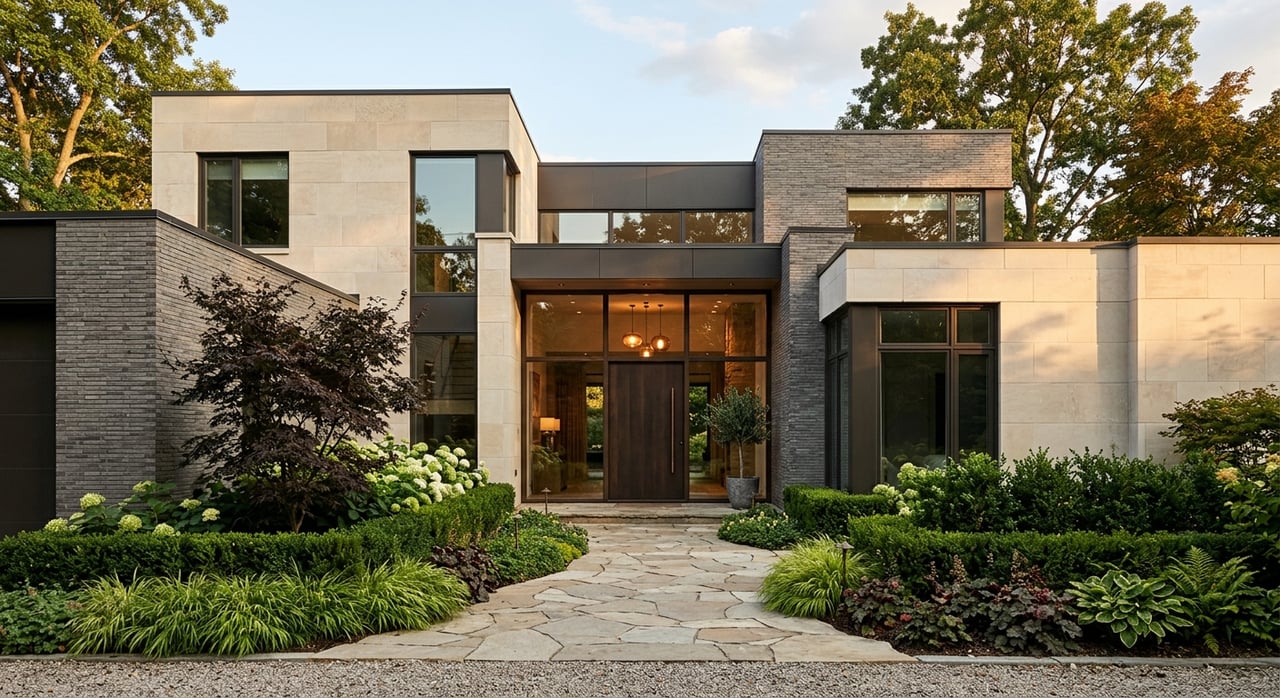
If you are considering a move in North Toronto, Bedford Park deserves a closer look. It offers a mix that can be hard to find in the city: low-rise residential streets, a strong ownership base, and easy access to the Yonge and Lawrence corridor. If you want a neighborhood that balances everyday convenience with detached-home scale, this guide will help you understand where Bedford Park stands out, where it varies block by block, and whether it fits your next move. Let’s dive in.
Where Bedford Park Fits in Toronto
Bedford Park is commonly understood as part of the Bedford Park-Nortown area in City of Toronto neighbourhood data. In planning work, the Bedford Park study area is generally framed by Bathurst Street to the west, Deloraine Avenue and the lot line south of Brooke Avenue to the north, Yonge Street to the east, and Lawrence Avenue West to the south.
For buyers, the simplest way to think about Bedford Park is as a North Toronto residential pocket with a strong Yonge-Lawrence connection. It sits close enough to major retail and transit to feel convenient, but much of the housing form remains low-rise and more traditional than condo-heavy parts of the city.
What the Housing Stock Looks Like
One of Bedford Park’s biggest strengths is that it is not a one-note housing market. City neighbourhood data shows a mix of 34% single-detached houses, 19% semi-detached houses, 10% row houses, 16% duplexes, 7% apartments under five storeys, and 8% apartments in buildings with five or more storeys.
That mix matters because it gives you more than one way into the neighbourhood. You may be looking for a detached home, a semi, a duplex conversion, or a lower-rise option that keeps you close to the area without requiring the scale of a large house.
The ownership profile is also notable. The area has 6,010 owner households compared with 2,605 renter households, along with 1,175 condo-occupied dwellings and 7,435 non-condo dwellings. In practical terms, Bedford Park still behaves more like a low-rise ownership neighbourhood than an apartment-first market.
Older Homes, Renovations, and Rebuilds
Bedford Park has a meaningful older housing base. City data shows that 34% of dwellings were built before 1960, which helps explain why the neighborhood often includes original homes, updated properties, additions, and full rebuilds on different blocks.
That can be a real advantage if you value choice. Some buyers want a move-in-ready house with newer systems and finishes, while others are open to renovation potential or are focused on lot value and long-term upside.
Planning data supports that pattern. In the Bedford Park study area, 97% of 358 building permits reviewed were for residential replacement and renovation activity. That tells you this is an area where change is active, not rare.
How Walkable Bedford Park Really Is
Walkability is one of Bedford Park’s biggest selling points, but it is important to be precise about it. This is not a neighbourhood where every block offers the same day-to-day experience.
The strongest convenience is around Yonge Street and Lawrence Avenue. The Yonge Lawrence Village area includes restaurants, cafes, retail, and everyday services, and Lawrence Station sits at the south end of that village area on Line 1.
Transit access is a clear plus. The TTC confirms Lawrence Station on Line 1, and the area is also served by the 97 Yonge and 52 Lawrence West routes. The Yonge corridor also benefits from 24-hour bus service.
Street-level variation matters. Walk Score examples in the area range from 95 and 81 Transit Score near Lawrence Station, to 78 and 76 on another address nearby, to 69 and 64 farther west on Bedford Park Avenue. The takeaway is simple: Bedford Park can be highly walkable near the village core, but interior blocks feel more residential and less uniformly transit-close.
Who Bedford Park Tends to Suit
Bedford Park often makes sense for buyers who want detached-home scale with urban convenience. If you like the idea of being near subway access and local retail without living in a condo-dominated setting, this area can be a strong fit.
It can also appeal to move-up buyers who want more space while staying in a central North Toronto setting. Because the housing stock includes older homes, renovated homes, and newer replacements, you can often align your search with your priorities on layout, finish level, and long-term planning.
Downsizers may also find value here, especially if they want to remain in a low-rise, established neighbourhood with access to shops, services, and transit. The key is choosing the right block based on how much walkability you want in daily life.
Bedford Park vs Lawrence Park
Bedford Park is often compared with Lawrence Park, but the two offer different experiences. Lawrence Park is known through City heritage planning work as one of Toronto’s early planned garden suburbs, with curving streets, generous setbacks, large lots, mature landscaping, and a strong heritage character.
Bedford Park feels more practical and more village-linked. Its mix of detached homes, semis, duplexes, and active renovation and rebuild activity creates a more flexible residential environment.
That does not make Bedford Park a lesser option. It makes it a different value proposition. If you want a neighborhood that still carries premium North Toronto appeal but feels more connected to transit and everyday retail, Bedford Park may be the better fit.
Bedford Park vs Lytton Park
Lytton Park shares some similarities with Bedford Park as an established low-rise North Toronto area, but it has its own heritage-sensitive identity. City material related to Lytton Boulevard points to large lots and homes set back from the street, reflecting a more traditional lot pattern.
In comparison, Bedford Park can feel a little more varied and more tied to practical convenience. If your priority is a polished residential setting with easier access to the Yonge-Lawrence village and subway service, Bedford Park stands out.
Why the Exact Street Matters
The most important thing to understand about Bedford Park is that it does not offer one single experience. A home near Yonge and Lawrence may give you a very different daily routine than a home deeper into the residential interior.
That difference affects more than just convenience. It can influence how often you walk for errands, how quickly you reach transit, how much through-traffic you notice, and what kind of home stock you see on your preferred streets.
This is where a detailed neighborhood strategy matters. When you evaluate Bedford Park well, you are not just choosing the neighbourhood. You are choosing the version of Bedford Park that best matches how you actually want to live.
What to Watch For as a Buyer
If Bedford Park is on your shortlist, focus on a few practical factors:
- Distance to Yonge and Lawrence if walkability and subway access are important to you
- Home age and renovation status since older housing stock and rebuild activity are both common
- Street character because some blocks feel more village-connected while others feel more tucked away
- Housing type if you are deciding between detached homes, semis, duplexes, or lower-rise alternatives
- Long-term plans if you are weighing move-in-ready living against renovation or rebuild potential
A neighborhood like Bedford Park rewards careful selection. The right property on the right street can deliver both lifestyle value and long-term flexibility.
Is Bedford Park Right for You?
If you want North Toronto living with more housing variety, a strong ownership profile, and selective access to excellent walkability, Bedford Park is worth serious consideration. It is especially compelling if you want a residential setting that feels established and low-rise, but still connected to transit and daily amenities.
The area is not defined by one housing type or one lifestyle pattern. That is part of its appeal. Bedford Park gives you options, and that usually creates better alignment between the property you buy and the life you want to build there.
If you are weighing Bedford Park against Lawrence Park, Lytton Park, or another North Toronto pocket, a more precise, street-by-street view can make the decision much clearer. For thoughtful guidance on Bedford Park and the wider North Toronto market, connect with Kristian Utley.
FAQs
Is Bedford Park in Toronto a walkable neighborhood?
- Yes, especially near Yonge Street, Lawrence Avenue, and Lawrence Station. Walkability is strongest near the village core and becomes more limited on deeper residential streets.
What types of homes are common in Bedford Park Toronto?
- Bedford Park includes mostly single-detached and semi-detached homes, along with row houses, duplexes, and some apartment buildings. It remains a largely low-rise, ownership-focused neighborhood.
Is Bedford Park Toronto mostly condos or houses?
- It is mostly houses and other non-condo homes. City data shows far more non-condo dwellings than condo-occupied dwellings in the area.
How does Bedford Park compare with Lawrence Park?
- Bedford Park is generally more transit-connected and village-adjacent, while Lawrence Park is more associated with a planned garden-suburb setting, larger lots, and heritage character.
Is Bedford Park a good choice for move-up buyers in Toronto?
- It can be, especially if you want more space, low-rise housing, and access to the Yonge-Lawrence area. The mix of existing homes, renovated properties, and rebuild activity also creates flexibility.
Why does the exact street matter in Bedford Park?
- Because the neighbourhood experience changes by block. Homes near Yonge and Lawrence tend to have better access to transit, shops, and services, while interior streets feel quieter and more residential.